Overview of the Bahrain Stock Exchange (Bahrain Bourse)
A comprehensive overview of the Bahrain Stock Exchange (Bahrain Bourse), analyzing its market structure, regulation, liquidity characteristi...
An Initial Public Offering is often perceived as a single moment in time: the day a company’s shares begin trading on a stock exchange. In reality, an IPO is a long, multi-stage transformation that unfolds over years, intensifies over months, and continues long after the first trading session ends. What happens before, during, and after an IPO determines not only the success of the listing itself, but also the long-term performance of the company as a public entity and the outcomes experienced by investors.
Understanding the IPO lifecycle as a continuous process rather than a discrete event is essential for serious investors. Many mistakes stem from focusing exclusively on IPO pricing or first-day performance, while ignoring the structural changes that precede the offering and the operational realities that follow it. In markets with strong retail participation andAR or where IPOs are tied to broader economic narratives, this misunderstanding is even more pronounced.
This article provides a dense, end-to-end explanation of what happens before, during, and after an IPO. It examines the internal transformation of companies preparing to go public, the mechanics and dynamics of the offering itself, and the post-IPO phase where public-market discipline begins to shape outcomes. The objective is to equip investors with a framework that allows them to interpret IPOs correctly across different market environments.
The period before an IPO is where the most profound changes occur, even though they receive the least public attention. Long before regulators review prospectuses or investors submit subscriptions, a company must decide whether it is structurally ready for public ownership. This decision is not merely strategic; it is existential. Once public, a company cannot revert easily to private status without significant cost and disruption.
Internally, companies preparing for an IPO undergo a fundamental reorganization. Financial systems must be upgraded to produce audited, standardized financial statements over multiple years. Any weaknesses in accounting practices, revenue recognition, or internal controls are identified and addressed. This process often reveals operational inefficiencies or governance gaps that were tolerable in a private setting but unacceptable in a public one.
Governance transformation is equally critical. A private company may be dominated by founders or a small group of owners who make decisions informally. Before an IPO, formal board structures, independent directors, and oversight committees must be established. Decision-making processes are documented, authority is distributed, and accountability mechanisms are put in place. These changes alter company culture and can create internal friction, but they are essential for public-market credibility.
Legal and regulatory preparation also intensifies during this phase. Contracts, ownership structures, intellectual property rights, and related-party transactions are reviewed in detail. Any unresolved legal risks must be disclosed or resolved. For companies operating in jurisdictions influenced by Sharia principles, financial structures may be adjusted to reduce leverage or restructure financing to meet compliance standards.
Strategically, the company must define its equity story. This is the narrative that explains what the company does, how it generates value, and why it deserves public capital. This narrative must be grounded in reality, as exaggerated projections or unclear business models often become liabilities once public scrutiny begins. Investors ultimately evaluate execution, not storytelling.
Once internal preparation reaches an advanced stage, the company enters formal regulatory review. Securities regulators evaluate whether the company meets listing standards and whether its disclosures provide sufficient information for investors to make informed decisions. This review does not assess whether the company is a good investment, but whether it is suitable for public ownership.
Regulatory scrutiny focuses on transparency, risk disclosure, governance adequacy, and financial accuracy. Regulators may request revisions, additional disclosures, or structural changes. In markets that prioritize stability and investor protection, this phase can be lengthy and iterative. While this may delay listing, it reduces the likelihood of structurally weak companies entering the public market prematurely.
At the same time, the company assesses market readiness. Timing matters. Market conditions, investor sentiment, sector performance, and liquidity all influence IPO outcomes. Companies may delay or accelerate offerings based on these factors, underscoring that IPOs are not conducted in isolation from broader market dynamics.
The IPO itself is the most visible phase, but it is also the shortest. During this period, the company offers shares to investors under defined terms and transitions from private ownership to public trading. This phase includes pricing, allocation, and the commencement of secondary-market trading.
Pricing is determined through a process designed to balance valuation and demand. Unlike secondary-market pricing, IPO pricing occurs without a live trading history. It relies on financial projections, peer comparisons, and investor appetite. Because uncertainty is higher, pricing decisions involve judgment rather than precision.
Share allocation determines who receives shares at the offering price. Allocation structures vary by market. Some prioritize institutional investors, while others emphasize retail participation. Allocation outcomes influence early trading behavior, as unmet demand often translates into aftermarket buying pressure.
The first day of trading marks the shift from primary to secondary market. From this point forward, the company’s valuation is determined continuously by supply and demand among investors. Early trading sessions can be volatile due to limited supply, lock-up restrictions on existing shareholders, and heightened attention.
It is important to understand that first-day performance reflects market mechanics, not company transformation. A strong debut does not validate the business model, and a weak debut does not doom it. These early movements often say more about allocation imbalances and sentiment than fundamentals.
During the IPO phase, psychological forces play a significant role. Media coverage, scarcity perception, and social proof can drive investor behavior. Retail investors may associate IPO participation with exclusivity or early access, while institutions evaluate longer-term positioning.
This behavioral dimension can distort pricing temporarily. Fear of missing out can push prices beyond reasonable valuation, while disappointment over small allocations can lead to aggressive aftermarket buying. Understanding these dynamics helps investors interpret volatility without overreacting.
Markets with high retail participation tend to amplify these effects. Recognizing the difference between behavioral momentum and fundamental value is critical for disciplined decision-making.
The post-IPO phase is where reality asserts itself. Once the initial excitement fades, the company must operate as a public entity under continuous scrutiny. Financial performance, governance quality, and strategic execution become the primary drivers of valuation.
Lock-up periods often expire during this phase, allowing early shareholders to sell shares. This can increase supply and introduce downward pressure on prices, regardless of company performance. Investors who understand this dynamic anticipate volatility rather than misinterpreting it as fundamental deterioration.
Public companies must meet ongoing disclosure obligations, including periodic financial reporting and immediate disclosure of material events. Management communication becomes a critical function, as transparency and consistency influence investor trust.
Over time, analyst coverage expands, institutional ownership evolves, and trading patterns stabilize. The company’s shares begin to behave more like those of established public firms, with valuation increasingly tied to earnings, cash flow, and strategic execution.
Not all IPOs lead to long-term success. Some companies thrive under public-market discipline, using access to capital and market visibility to grow sustainably. Others struggle with governance demands, quarterly performance pressure, or strategic misalignment.
For investors, the post-IPO period is where differentiation occurs. Early enthusiasm fades, and fundamentals reassert themselves. Investors who entered based on narrative alone may exit, while those focused on execution and valuation reassess their positions.
From a long-term perspective, the IPO is merely the beginning of a new chapter. Value creation depends on how effectively the company adapts to public ownership, not on how spectacular its debut appeared.
An IPO is not an event but a process that unfolds before, during, and after the public offering. The most consequential changes occur before listing, as companies restructure for transparency and governance. The IPO itself is a moment of transition shaped by pricing mechanics and investor behavior. The post-IPO phase determines whether the company can translate public ownership into sustainable value.
For investors, understanding this full lifecycle is essential. It provides context for volatility, tempers unrealistic expectations, and highlights where real risks and opportunities reside. IPOs reward those who look beyond the first trading day and evaluate companies as evolving public entities rather than one-day stories.
No. While highly visible, the IPO day is less important than the preparation before listing and the company’s execution after becoming public.
Price declines often result from supply increases, lock-up expirations, or valuation reassessment rather than sudden deterioration in fundamentals.
No. Public ownership introduces discipline but also pressure. Outcomes depend on governance quality and strategic execution.
Long-term investors can participate in IPOs if they evaluate companies with the same rigor applied to established public firms and avoid focusing solely on debut performance.
Disclaimer: This content is for education only and is not investment advice.

A comprehensive overview of the Bahrain Stock Exchange (Bahrain Bourse), analyzing its market structure, regulation, liquidity characteristi...

An in-depth analysis of the Kuwait Stock Exchange (Boursa Kuwait), explaining its structure, regulation, market behavior, and strategic rele...
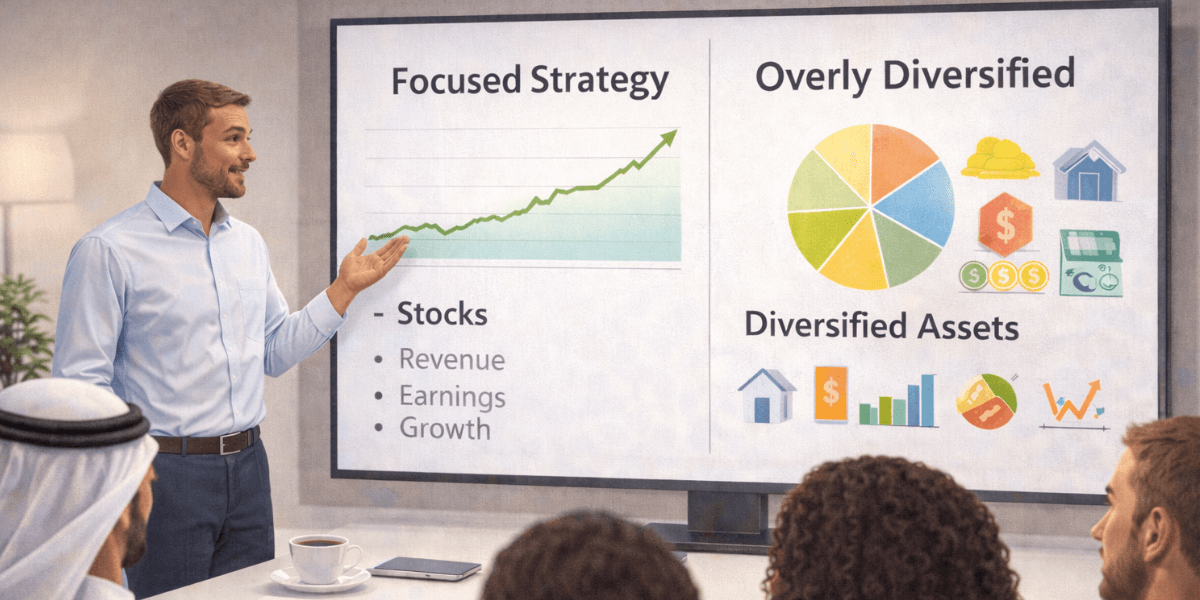
A senior-level analysis explaining when stocks make more sense than diversified asset trading, focusing on correlation risk, time horizons, ...
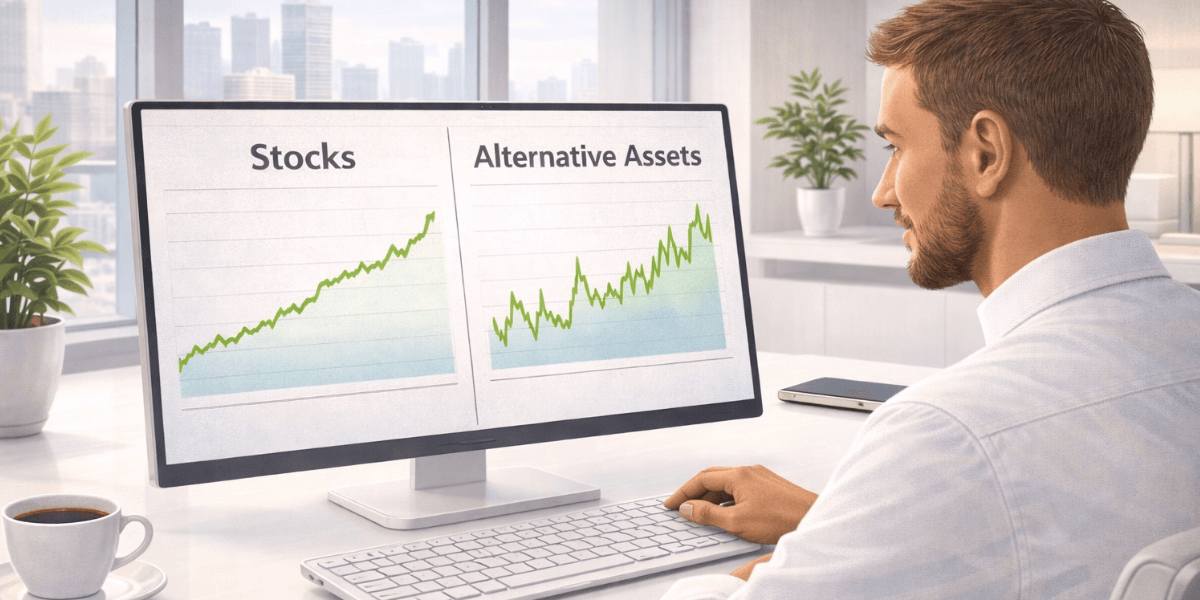
A senior-level analysis comparing stocks and alternative assets from a conservative investing perspective, explaining capital durability, tr...
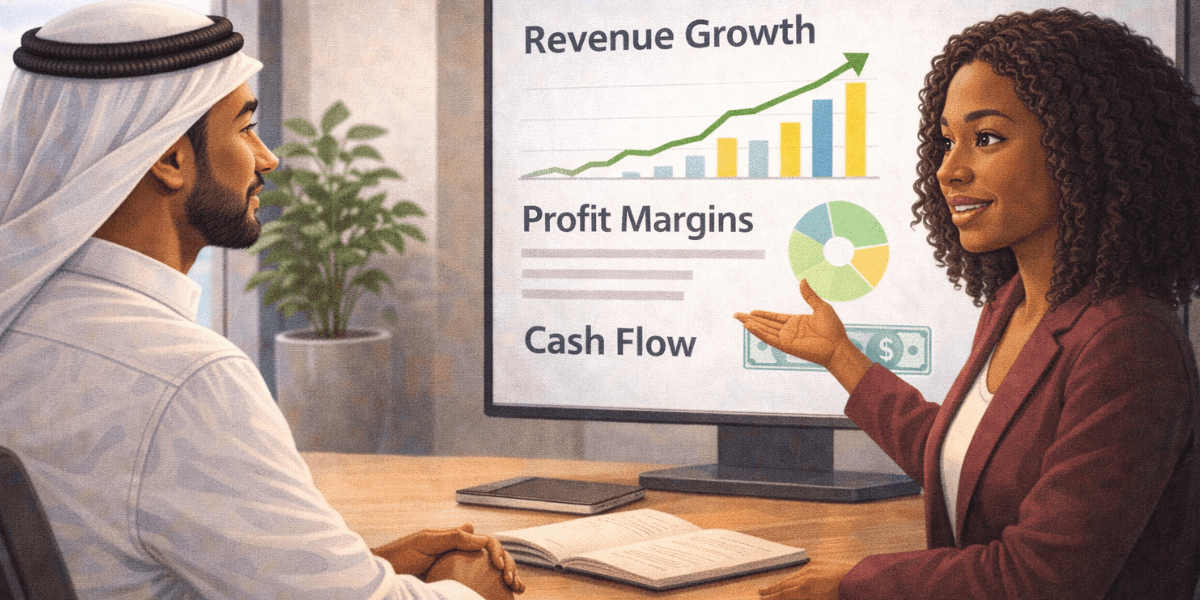
A senior-level analysis explaining why stocks are fundamentally easier to analyze than other assets, focusing on cash flows, accounting stru...
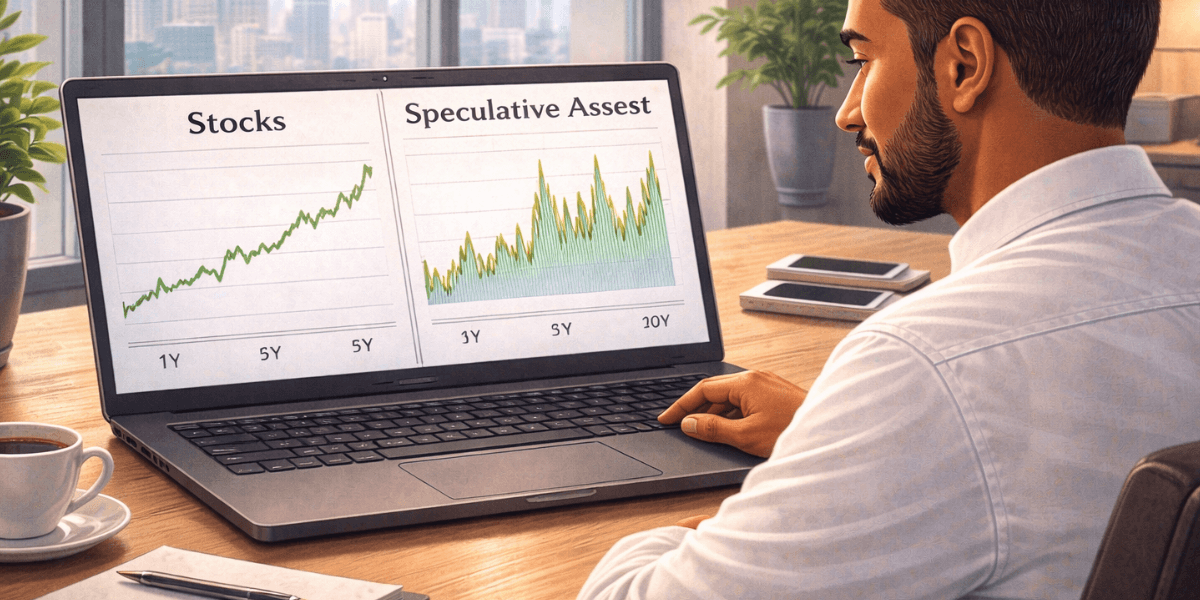
A senior-level risk analysis comparing stocks and speculative assets, explaining how permanent capital risk, time horizons, and recovery dyn...